What Readers Think
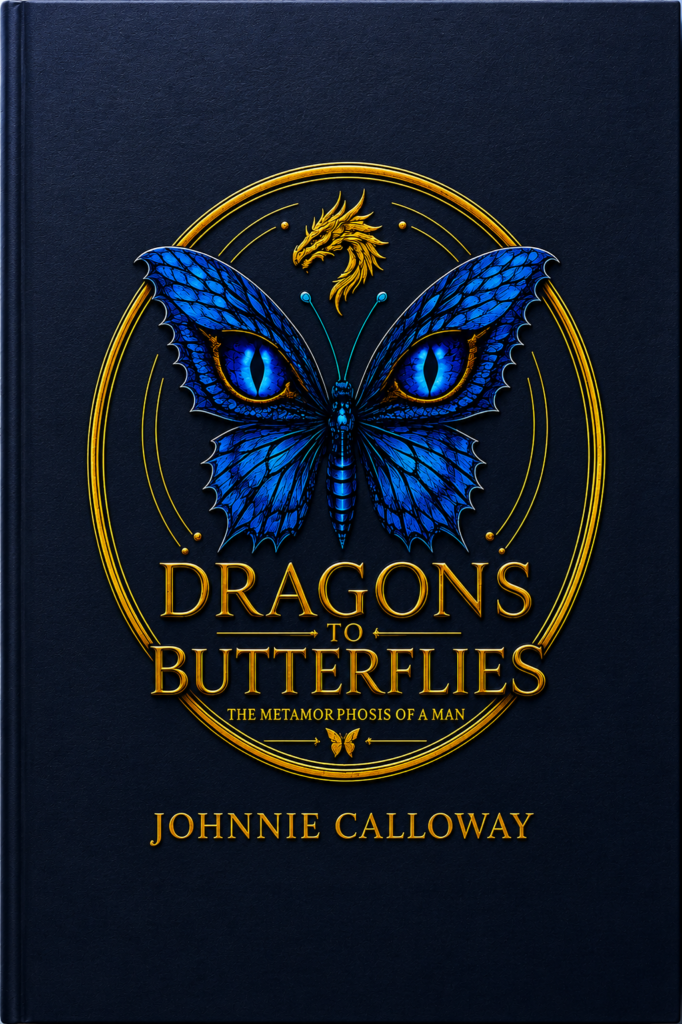
Reading Dragons to Butterflies was more than following one man's story, it was witnessing a journey through unimaginable pain toward hope. Johnnie Calloway doesn't shy away from the realities of childhood abuse, addiction, homelessness, mental illness, and the long, often difficult road to recovery. Yet even in the darkest moments, the book never loses sight of the possibility of healing. What stayed with me most wasn't simply the transformation itself, but how Johnnie redefines what it means to be free. Freedom doesn't seem to come from forgetting the past or pretending it never happened. Instead, it appears to grow from embracing honesty, accepting ourselves, and finding the courage to keep moving forward despite the scars we carry. After finishing the book, I found myself reflecting on a question that has stayed with me ever since: What does true freedom look like for someone who has spent so much of their life simply fighting to survive?

I completely agree with your perspective. What struck me as well was that the book doesn't portray freedom as the absence of pain, but as finding the courage to live honestly despite it. That felt far more authentic than the idea of a perfect ending. One thing I'm still curious about, though, is this: @Johnnie Calloway, was there a particular moment when you realised you were no longer merely surviving, but had genuinely begun living again?

I'm only about ten pages into the book, so I still have a long way to go, but something has already stayed with me. From the very beginning, Johnnie writes with such openness that I found myself slowing down rather than rushing ahead. It doesn't feel like someone is trying to impress the reader, it feels like someone quietly inviting you into their life. What really hooked me was that sense of honesty. It made me want to keep turning the pages, not because I expected easy answers, but because I genuinely wanted to understand how someone could come through experiences like these and still speak with hope.



This book reminded me that the past doesn't simply disappear because we choose not to think about it. For a long time, I used to believe that moving on meant leaving painful memories behind, but Johnnie's story challenged that idea. Instead, it showed me that real healing often begins when we stop running, acknowledge what we've been carrying, and slowly learn to face it with honesty rather than fear. That message stayed with me long after I finished reading

One of the things I appreciated most was how the book showed that recovery isn't something we have to face entirely on our own. Throughout Johnnie's journey, there were people who encouraged him, believed in him, and stood beside him when he needed it most. It reminded me that healing is often strengthened by the support of others, and sometimes someone else's belief in us is what helps us begin believing in ourselves again.
One of the questions this book left me thinking about is the meaning of freedom. Throughout your journey, it seems that freedom became much more than simply escaping addiction or painful circumstances, it also became about finding peace within yourself. After everything you've experienced, how would you describe freedom today? Is it something you feel you've reached, or is it still something that continues to grow as your journey unfolds?

One of the things this book made me think about was the younger version of ourselves who had no idea what was coming. Reading about your childhood and the years that followed, I kept wondering how different things might feel if that younger Johnnie could see the man you became. If you could sit beside your younger self for just a few minutes, what do you think he would need to hear most from you? What words do you think would have given him even a small sense of hope during the hardest years?
One thing this book reminded me is that we often expect healing to happen once we decide we want it, but your journey shows it takes far more time, perseverance, and grace than that. It made me appreciate that recovery isn't measured by speed, but by the willingness to keep showing up, even on the difficult days. What part of the healing process do you think people often expect to happen quickly, when in reality it requires the greatest patience?

One thing this book reminded me is that we often expect healing to happen once we decide we want it, but your journey shows it takes far more time, perseverance, and grace than that. It made me appreciate that recovery isn't measured by speed, but by the willingness to keep showing up, even on the difficult days. What part of the healing process do you think people often expect to happen quickly, when in reality it requires the greatest patience?

One thing I really appreciate about this book is that it doesn't just tell the story of recovery, it offers hope to people who may be struggling themselves. It made me think about the conversations you've probably had with people who see parts of their own lives reflected in your journey. When someone comes to you feeling as though there's no way forward, what's the very first lesson from your own recovery that you find yourself sharing with them? What do you most hope they hold on to before they leave that conversation?

One thing I really appreciate about this book is that it doesn't just tell the story of recovery, it offers hope to people who may be struggling themselves. It made me think about the conversations you've probably had with people who see parts of their own lives reflected in your journey. When someone comes to you feeling as though there's no way forward, what's the very first lesson from your own recovery that you find yourself sharing with them? What do you most hope they hold on to before they leave that conversation?